— The Journal —
Albania Times
N° 1 ❧ May 2026 ❧ Spring edition
Investing · Main Article
Why invest in Albania in 2026: 10 reasons.
Sustained growth, some of the lowest taxes in Europe, still affordable real estate, record rental yields, European membership on the horizon: these are the Ten concrete reasons to invest in Albania in 2026, numbers to support this.
For three decades, Albania lived under the distant gaze of European chancelleries — fascinated by its potential, wary of its communist past. In 2026, the relationship is completely reversed. Investing in Albania is no longer an adventurer's gamble: for foreign capital, it has become a perfectly rational asset management decision.
Why now ? Because everything is converging. Albania's economic growth has consistently exceeded 3.5% for the past three years. Its tax system remains among the most favorable in Europe. Real estate prices remain significantly lower than those of the rest of the Mediterranean region. Rental yields are approaching 12%. And accession to the European Union, long considered unlikely, is now on Brussels' agenda for 2030-2032.
Here, with supporting figures, are the 10 reasons to invest in Albania in 2026 — remaining vigilant and focused on the essentials.
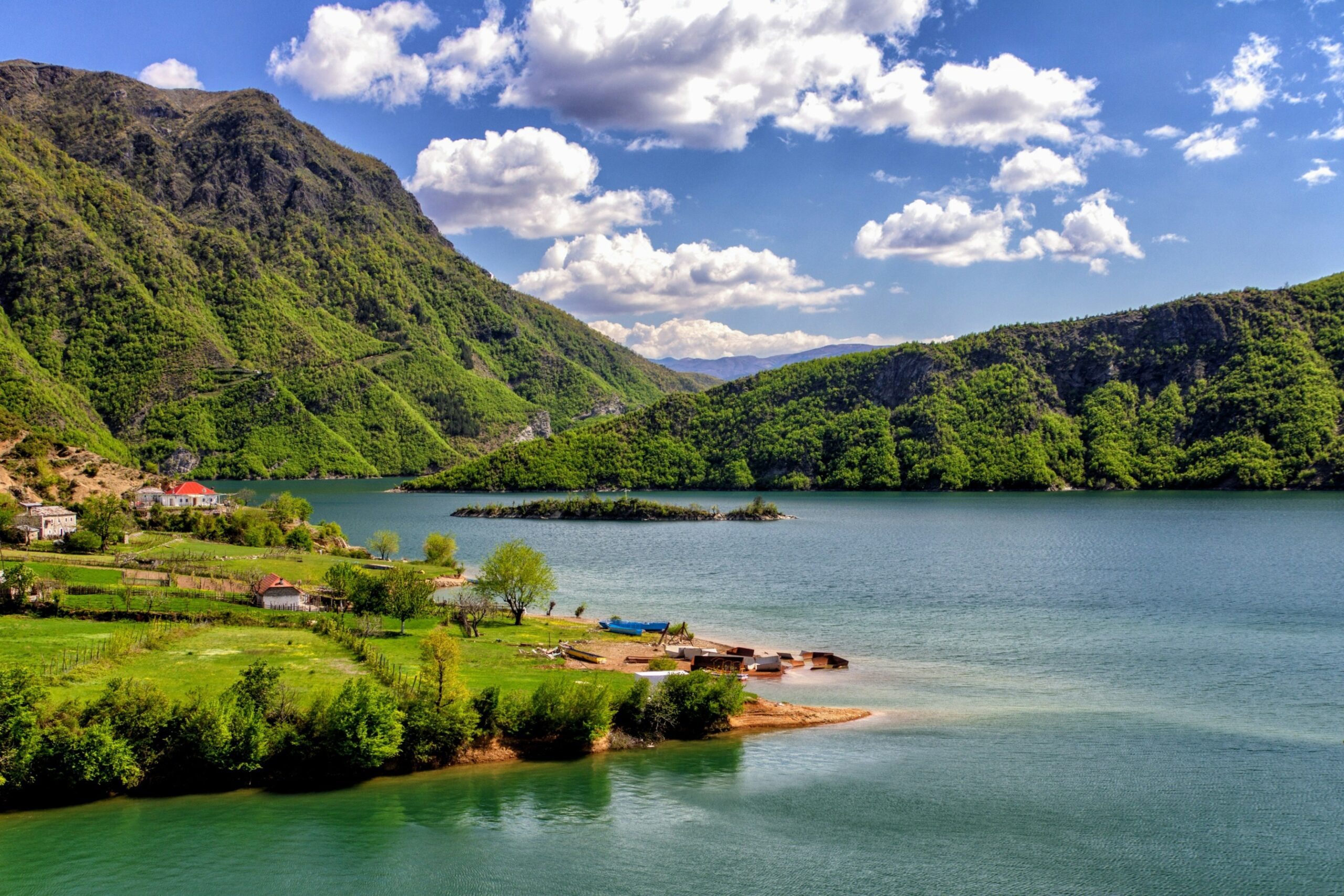
An Albanian economy that is leading the way in Europe
In 2024, Albania's GDP grew by 3.8%. For 2026, projections from World Bank fluctuate between 3.5% and 4.2%. Over the same period, the eurozone has plateaued at 1.2%. This difference in pace, sustained for five years, is not a statistical anomaly — it is a fundamental shift that is slowly reshaping the balance of power in the Western Balkans.
Three drivers fuel Albanian growth : tourism (11.7 million visitors in 2024, a historic record for 2.8 million inhabitants) ; the diaspora (financial transfers represent nearly 9% of GDP); and foreign direct investment, which has been rising continuously since 2020. A rare combination, which cushions external shocks and stabilizes the LEK against the EUR.
For an investor, this dynamic translates into very concrete terms: increased property value, sustained rental demand, and broader resale prospects. Investing in Albania in 2026 means, first and foremost, investing in an economy that has yet to reach its full potential.
Membership in the European Union, now believable
This is the elephant in the room. Albania's accession negotiations with the European Union, which began in July 2022, reached decisive stages in 2024 and 2025. Brussels is now aiming for full integration between 2030 and 2032. This perspective, long considered theoretical, is now being taken seriously by the markets.
Recent history is instructive. In Croatia, Romania, and Poland, real estate values have increased by 30 to 60% in the five years preceding membership. If Albania follows the same trajectory—which almost all analysts anticipate—those who bought in 2026 will find themselves in a very different financial situation by 2031. This is not a bubble. It is a perfectly documented catch-up effect.
Our complete report : Albania and the European Union: impact on your investment
Real estate still lagging behind the rest of the Mediterranean
The core issue for most French-speaking investors is real estate. And there, the difference is striking. In Tirana, the city center is negotiated between €1,400 and €2,200/m². In Saranda, on the coast, between €1,200 and €1,800/m². In Vlora, between €1,000 and €1,600. For comparison, the price per m² in Lisbon is around €5,500, in Athens around €3,200, and in Barcelona around €4,800.
In other words: for the price of a Parisian studio apartment, you can buy a villa with a sea view in Albania. For the price of a one-bedroom apartment in Lisbon, you can get a luxury apartment in the heart of Tirana. The recent price increases between 70 and 110% depending on the city since 2020, have not closed the gap, and will not do so for several years.
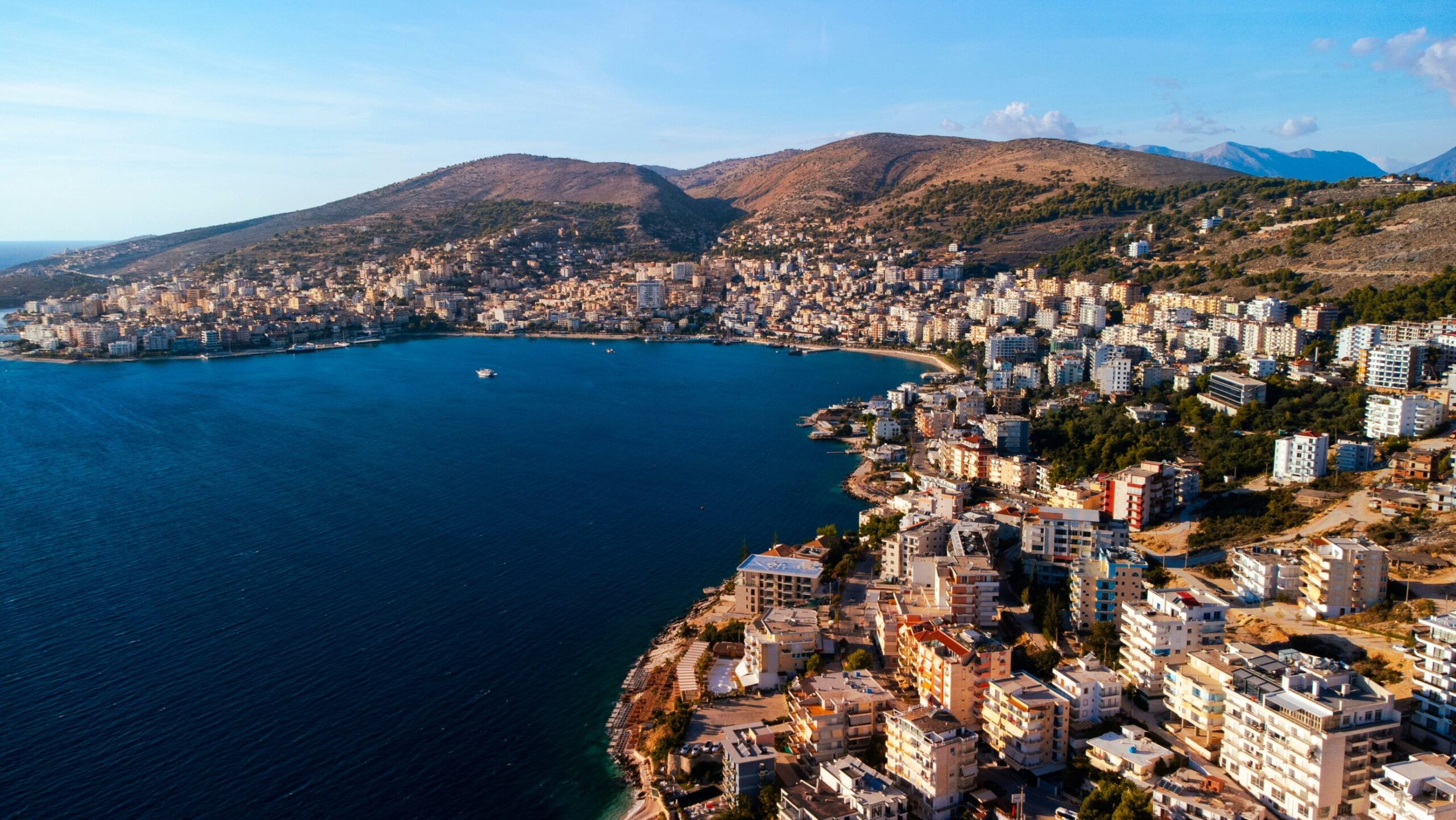
For detailed pricing information by city and property type : How much does an apartment cost in Albania in 2026 ?
One of the most favorable tax systems in Europe
Fifteen percent. That's the rate ofcorporate tax in Albania. This can be compared to the 25% in France, 25% in Belgium, and 17% in Luxembourg (with additional charges). Small businesses—with a turnover of less than 14 million lek (approximately €140,000)—even benefit from a reduced rate, sometimes 0% in certain priority sectors (agritourism, technology, rural agriculture).
For individuals, income tax remains low: exemption up to €500/month, 13% between €500 and €2,000, and 23% above that. Furthermore, bilateral tax treaties (France-Albania since 2003, equivalent agreements with Belgium and Luxembourg) eliminate the risk of double taxation on rental income or capital gains.
For details on taxes, allowances and agreements : Property taxation in Albania: a complete guide for Europeans
Record rental yields around the Mediterranean
Rental yields in Albania would make any Parisian landlord envious. In Tirana, long-term rentals deliver 6 to 8% gross per year. On the Albanian Riviera (Saranda, Ksamil), short-term seasonal rentals are rising to 9 to 12% gross — sometimes even more in the height of summer. Compared to the 3-4% gross achieved in Paris or Lisbon.
This performance is based on structurally strong demand: the tourism boom is driving seasonal rentals, while the arrival of expatriates and digital nomads is boosting mid-term rentals. The Airbnb segment on the coast boasts occupancy rates exceeding 80% between May and October. Of course, nuances exist—agency fees, local taxes, resale liquidity—but the difference remains significant.
Our city-by-city analysis : Rental yield in Albania: what you can realistically expect
A legal framework favorable to foreign investors
Since 2020, foreigners have been able to buy real estate in Albania , without major restrictions, with the exception of agricultural land (which is acquired through an Albanian company), no investor visa is required, no minimum threshold is imposed, and no quotas cap foreign acquisitions. It is one of the most open frameworks in Europe.
The purchasing process is simple on paper : 4 to 8 weeks between the signing of the preliminary sales agreement and the cadastral registration, approximately 3% fee (notary fees, transfer tax, land registry), no VAT on the existing property. A notary is mandatory, a lawyer is strongly recommended — and at RDK ALBANIA, we consider this non-negotiable.
The complete process, step by step : How to buy property in Albania: a step-by-step guide
A Mediterranean Riviera (still) unspoiled
Albania has 360 kilometers of coastline between the Adriatic and Ionian Seas. The Albanian Riviera — which stretches from Vlora to Saranda via Himara, Dhërmi and Ksamil — has become, in just a few years, the most dynamic tourist segment in the Western Balkans. National Geographic, The Guardian, Le Monde , talk about it as if it were a new Croatia from twenty years ago.
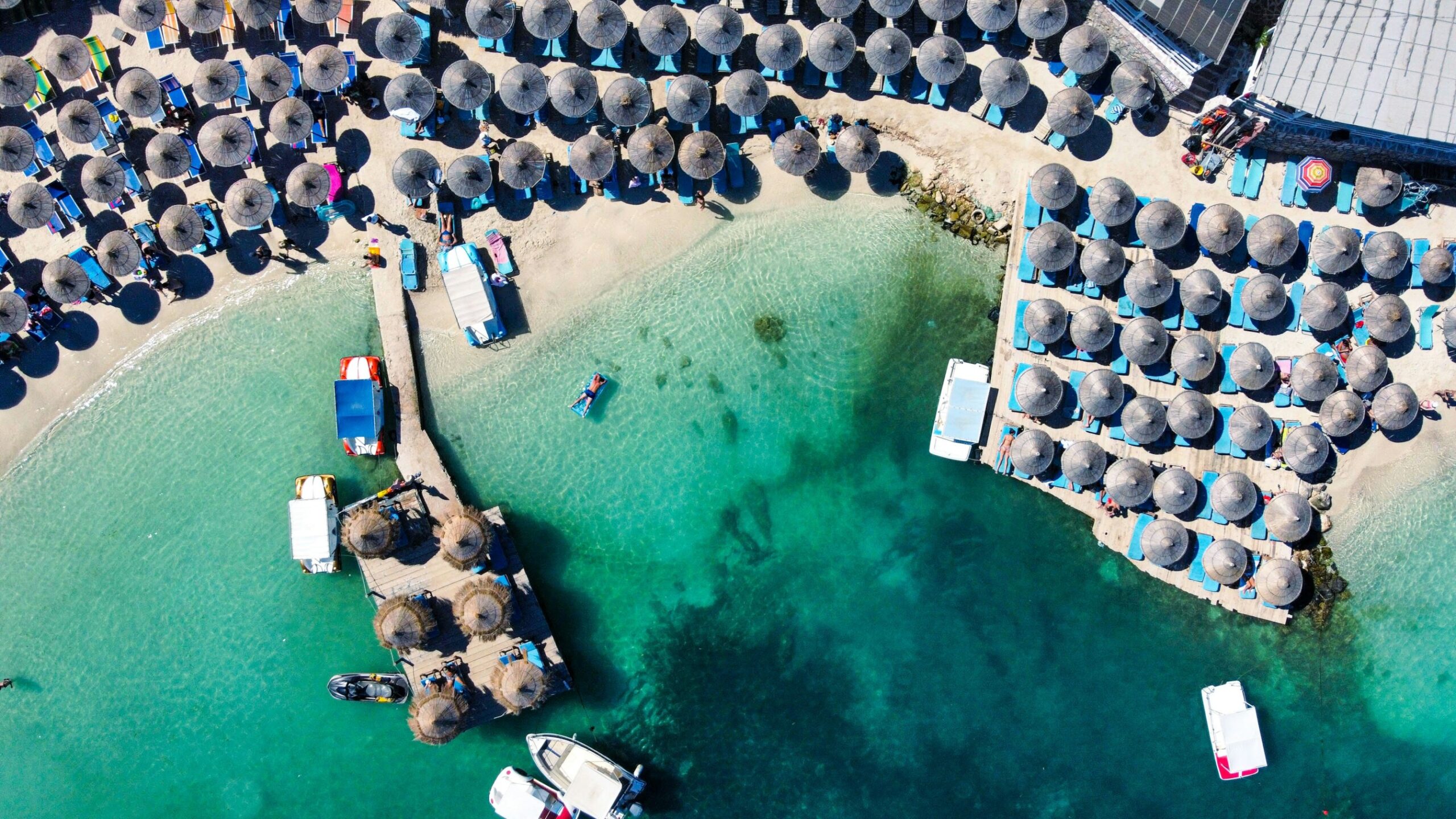
For investors, this translates into a real estate opportunity: the south coast boasts the fastest price growth (+110% in Saranda in five years), the highest rental yields, and considerable appreciation potential before EU accession. Ksamil, nicknamed "the Maldives of Europe" for its turquoise waters, is the most spectacular example.
Our comparison of coastal cities : Albanian Riviera : where to buy to take advantage of the booming tourism industry ?
A cost of living that changes everything
Living in Albania costs three to four times less than in France. A dinner for two in a good restaurant in Tirana costs €25. A coffee in the heart of the capital costs €1.20. Rent for a modern two-bedroom apartment ranges from €350 to €600 per month, depending on the neighborhood. Transportation, energy, and personal services are similarly cheaper.
This argument may seem secondary at first glance — it is actually crucial for three types of investors : the foreign retirees , who seek to increase their purchasing power; the remote workers and digital nomads who want a Mediterranean setting without the cost; and the families of expatriates which combine quality of life and substantial savings. All these profiles drive rental demand, and therefore returns.
Our detailed comparison of France and Albania : Cost of living in Albania : a comparison with France
Explosive tourism is driving the entire economy
In 2024, Albania hosted 11.7 million visitors — a historic record according to the: INSTAT. For a country of 2.8 million inhabitants, the ratio is staggering: four tourists for every Albanian. The trajectory is striking: fewer than 4 million visitors in 2014, more than 10 million in 2023, and nearly 12 million in 2024 World Travel & Tourism Council rank Albania among the four global destinations with the strongest tourism growth.
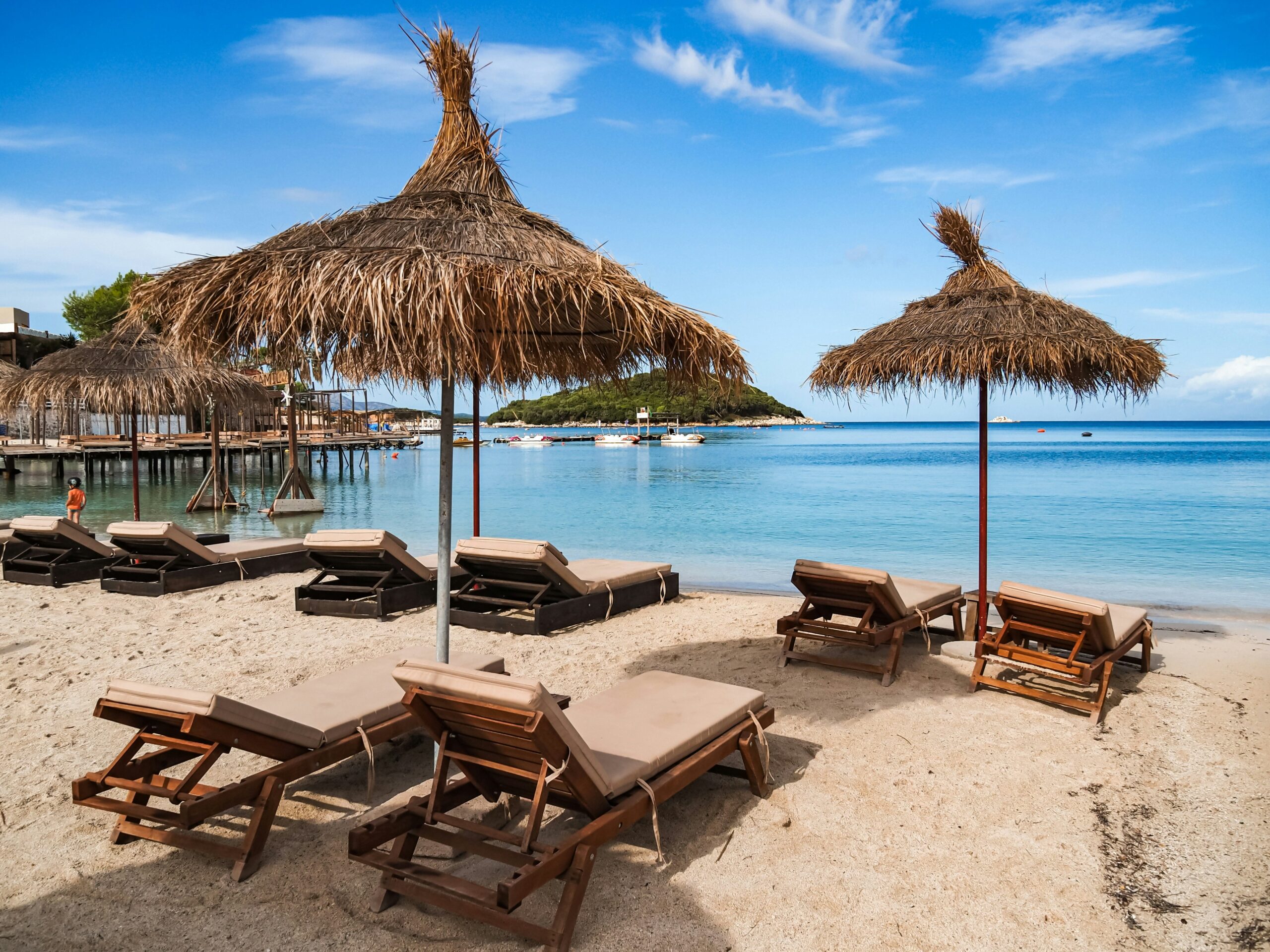
This boom is permeating the entire economy: seasonal rental rates have doubled in five years; the hotel industry is investing heavily (boutique hotels, upscale resorts); and restaurants, retail, and services are all benefiting as a result. For landlords, this guarantees rental demand that will remain strong for a long time.
Investing in Albania in 2026 means arriving in a country at the precise moment when tourism is shifting from anonymity to European renown — the same shift that Croatia experienced in 2010. RDK ALBANIA — field observation
Infrastructure that is transforming before our very eyes
It's often forgotten, but Albania in 2026 bears little resemblance to Albania in 2015. The country has embarked on an unprecedented infrastructural transformation . The new Vlora international airport, opening in 2026, directly serves the Riviera and opens up the entire south of the country — a major event for real estate investors on the coast.
In addition to this, there is : the modernization of the port of Durrës (one of the most active in the Adriatic), the doubling of the Tirana-Elbasan highway, the ongoing rehabilitation of railway links, the extension of fiber optics across the entire country, and a massive urban rehabilitation program in Tirana. Each project brings Albania closer to European standards — and mechanically increases the value of surrounding land.
The concrete impact of the new airport on the coast : The new Vlorë airport : what it changes for investors
Key takeaway : 2026, the right time to invest in Albania
An investment window is never eternal—this one will be no exception. Likely following European accession, around 2030-2032, regulatory harmonization and price alignment will gradually close this window. By then, the conditions of 2026 will no longer be those of 2026.
This doesn't mean we should rush. It means we should make an informed decision. Investors who commit now, with serious support and a clear strategy, have a few particularly interesting years ahead of them — and an estate that, in five years, will look very different.
Albania in 2026 offers a unique combination of factors unmatched by any other country in the Mediterranean region: sustained growth, favorable tax policies, affordable housing, record rental yields, the prospect of European Union membership, rapidly developing infrastructure, and a pristine Riviera. Ten concrete reasons—and that's not even counting the climate, the hospitality, and the quality of the cuisine.
— Take action —
Are you considering a real estate investment in Albania ?
From its base in Luxembourg, RDK ALBANIA assists foreign investors who wish to buy, build, or establish a business in Albania. Personalized audits, local networking, and notary support: a turnkey, transparent service based on ten years of field experience.
Contact us— Frequently Asked Questions —
Investing in Albania : what you need to know
Why invest in Albania in 2026 rather than elsewhere ?
Albania in 2026 combines economic growth of 3.5 to 4.2%, one of the lowest tax rates in Europe (15% corporate tax), property prices four times lower than those of Lisbon or Athens, rental yields of up to 12% gross, and the prospect of joining the European Union by 2030-2032. This combination is unavailable elsewhere in the Mediterranean region.
What budget is needed to invest in Albania ?
A studio in Tirana is starting up around 45 000 €. A sea-view apartment in Saranda, near 80 000 €. A villa with a pool on the Riviera starting from 180 000 €. Setting up an Albanian LLC costs approximately €500 in fees. For non-residents, some Albanian banks (Raiffeisen, BKT) offer loans of 50 to 60% of the value, at rates between 5 and 7%.
Is it easy for a foreigner to invest in Albania?
Yes. Since 2020, foreigners have been able to purchase real estate in Albania without major restrictions. No investor visa is required. The process takes 4 to 8 weeks, with a purchase fee of approximately 3%. RDK ALBANIA regularly assists French-speaking investors from Luxembourg, France, and Belgium.
Will Albania really join the European Union ?
Accession negotiations have been open since July 2022 and reached decisive stages in 2024-2025. The European Commission aims for integration between 2030 and 2032. Comparable countries (Croatia, Romania) saw their real estate increase by 30 to 60% in the five years preceding accession.
What are the best places to invest in Albania ?
Tirana for stability and long-term rental (6-8% return). The Albanian Riviera (Saranda, Ksamil, Vlora, Himara) for the highest seasonal yields (up to 12% gross) . Durrës For the price-accessibility compromise. Berat and Shkodra for heritage and cultural profiles.
Is Albania a safe country to invest in ?
Yes. Albania was removed from the FATF grey list in 2023. The country benefits from a stable banking system, a currency (the lek) that holds its own against the euro, and controlled inflation below 2.5%. Bilateral tax treaties with legally regulate capital flows and rental income.
What rental yield can be expected from an investment in Albania ?
Between 6 and 8% gross in Tirana long-term rental. Between 9 and 12% gross on the Albanian Riviera (Saranda, Ksamil) for short-term seasonal rentals. Compare this to the typical 3-4% gross return in Paris, Lisbon, or Athens.
Subscribe
Receive a notification for each new newspaper.
A short notification for each new articleof Albania Times. No commercial solicitations, no advertising — only new publications.